“Excellent Guidebook Written with Passion and Care. This well organized and helpful guide in healing from a traumatic relationship with a narcissistic individual is very practical and easy to read and understand (Even for those who have not suffered from this type of relationship). The author guides readers from her own experiences by outlining the various types of narcissism , patterns and signs to look out for when embarking on a relationship and so much more. If you want a framework to augment your counselling with a therapist , or if y...”
— Book by Amy White
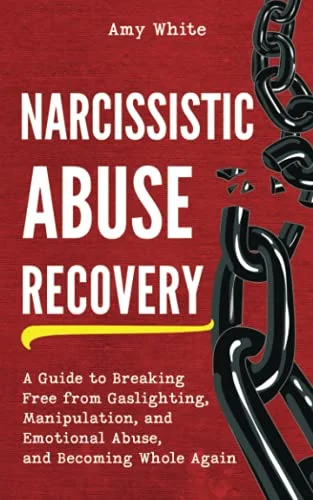
Narcissistic Abuse Recovery: A Guide to Breaking Free from Gaslighting, Manipulation, and Emotional Abuse, and Becoming Whole Again (Mindful Relationships)
Narcissistic Abuse Recovery: A Guide to Breaking Free from Gaslighting, Manipulation, and Emotional Abuse, and Becoming Whole Again (Mindful Relationships)
Prices as of May 8, 2026 · subject to change on retailer.
You start the book to understand someone else. Forty pages in, you're underlining the parts about yourself.
WHAT THE BOOK ACTUALLY DOES
Most narcissistic abuse books treat the abuser as a single character — the loud, grandiose one. The book opens by widening that frame: there are several patterns, including the quiet ones, the passive-aggressive ones, the parents who never raised their voice but never made you feel safe either. Recognition comes from the typology. Recovery comes from what you do once you've named what happened.
WHAT THE BOOK COVERS
WHO IT'S FOR
The reader recognizing a parent, partner, or boss in the descriptions for the first time. Someone in therapy who needs an outside-the-session reference — vocabulary, frameworks, the validation that what they lived through has a name. The survivor of childhood narcissistic abuse mapping it forward into how they choose people now.
WHAT IT'S NOT
Not a diagnostic manual — narcissistic personality disorder is a clinical diagnosis, and the book is careful to talk about patterns rather than label individuals. Not a substitute for trauma therapy when the abuse was prolonged or severe. The strength is map-making and validation; the deeper repair belongs with a therapist trained for it.
Hurt people hurt people. That explains them. It doesn't excuse them. And it doesn't have to be the story you keep living.
— Amy White
WHAT THE BOOK ACTUALLY DOES
Most narcissistic abuse books treat the abuser as a single character — the loud, grandiose one. The book opens by widening that frame: there are several patterns, including the quiet ones, the passive-aggressive ones, the parents who never raised their voice but never made you feel safe either. Recognition comes from the typology. Recovery comes from what you do once you've named what happened.
WHAT THE BOOK COVERS
- The types, plainly described. Grandiose, covert, communal, malignant — and the distinct patterns each one runs. The chapter readers said clicked first: the quiet ones aren't kinder, just harder to identify.
- How you became the target. Not "what you did wrong." The specific traits — empathy, conscientiousness, capacity to reflect — that make someone a useful supply for a narcissist. Reframed as the strengths they were, not the flaws they got turned into.
- The somatic recovery work. What chronic abuse does to the nervous system — hypervigilance, freeze, the involuntary apology — and the structured practice of restoring a baseline that isn't braced for impact.
- No-contact, low-contact, and the gray areas. Honest about the calculus. Cutting off a narcissistic family member isn't the same decision as leaving a partner, and the book lays out the different terrain rather than prescribing.
- Spotting the next one. The pattern-recognition reps that protect the next relationship — friendships and workplaces included — without turning every new person into a suspect.
WHO IT'S FOR
The reader recognizing a parent, partner, or boss in the descriptions for the first time. Someone in therapy who needs an outside-the-session reference — vocabulary, frameworks, the validation that what they lived through has a name. The survivor of childhood narcissistic abuse mapping it forward into how they choose people now.
WHAT IT'S NOT
Not a diagnostic manual — narcissistic personality disorder is a clinical diagnosis, and the book is careful to talk about patterns rather than label individuals. Not a substitute for trauma therapy when the abuse was prolonged or severe. The strength is map-making and validation; the deeper repair belongs with a therapist trained for it.
Hurt people hurt people. That explains them. It doesn't excuse them. And it doesn't have to be the story you keep living.
— Amy White
— Readers say
What readers are saying.
“Finished it 3 hrs after it arrived. Short, succinct, & lots of examples of HOW to make changes. Found myself marking up the book in code for underlining husband, (his mother), circling POS dad, & starring * stuff that is me. Really appreciated having a full description of narcissism including the passive aggressive kind. Never being hit doesn't mean you're not hurt.”
“Great Book. Was a Great read. The second I got it I couldn't put it down. I read whole thing I'm one day. It really opened my eyes to the struggles I had faced and things I'm looking forward to trying to become a better me. Lots of great tips to help with anyone's narcissist abuse recovery.”
“Heal from the hurt. Boy did this book open my mind and understanding on why abusers do what they do and how they do it. Very empowering for me to read. It was right on the mark.”
“Great Insight. I learned a lot from Author White's point of view on how a narcissist works. Never thought about all the classifications their victims would fall under. Makes me take a different look at the passive aggressive relationship.”
“Read straight through. Appreciate the level of detail, plain spoken methodology to defining and recovering. Felt more on how One becomes a victim could be explored. Read to understand what my sister must heal from, so helpful and we’re discussing.”
Amy White
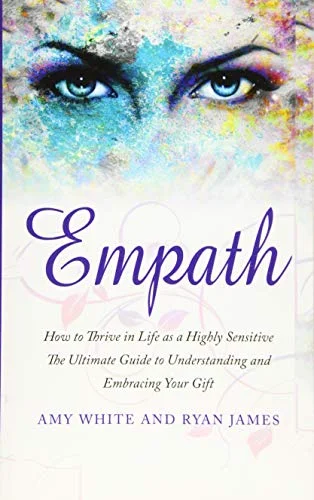
Empath: How to Thrive in Life as a Highly Sensitive - The Ultimate Guide to Understanding and Embracing Your Gift (Empath Series)
Empath: How to Thrive in Life as a Highly Sensitive - The Ultimate Guide to Understanding and Embracing Your Gift (Empat
Amy White
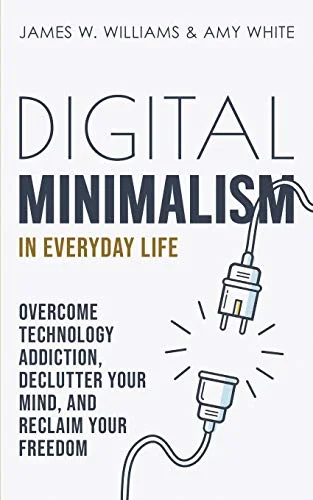
Digital Minimalism in Everyday Life: Overcome Technology Addiction, Declutter Your Mind, and Reclaim Your Freedom: 1 (Mindfulness and Minimalism)
Digital Minimalism in Everyday Life: Overcome Technology Addiction, Declutter Your Mind, and Reclaim Your Freedom: 1 (Mi
Amy White
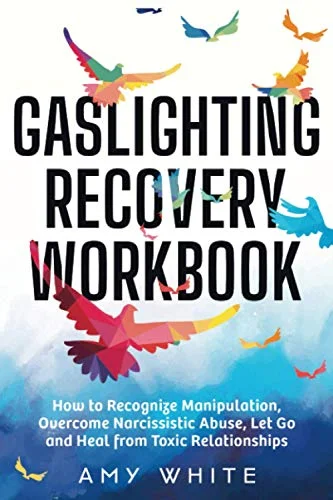
Gaslighting Recovery Workbook: How to Recognize Manipulation, Overcome Narcissistic Abuse, Let Go, and Heal from Toxic Relationships (Mindful Relationships)
Gaslighting Recovery Workbook: How to Recognize Manipulation, Overcome Narcissistic Abuse, Let Go, and Heal from Toxic R