
Confidence in conversation isn’t a personality trait you wait to inherit. It’s a mechanical process you run until it stops grinding. If you think you need to be born with the ability to talk to anyone about anything, you’re handing over control to genetics and waiting for a permission slip that never arrives. I spent years believing the charismatic guys at parties were just wired differently. I was wrong. They just practiced more awkward silences than you have. The gap between freezing up in line at a coffee shop and actually steering a conversation isn’t luck. It’s repetition. And repetition leaves bruises.
The Ten-Minute Wait That Changed My Approach
I sat in a cracked plastic chair, staring at a faded poster about iron deficiency. A styrofoam cup of lukewarm tea sat heavy in my palm. The guy next to me started talking about hydrodynamics. He explained how to angle his elbows to cut drag in a breaststroke. I nodded. I actually nodded three times. I had no idea what he meant by gliding efficiency. He could tell. My eyes kept darting to the wall clock. The conversation died right there. It felt like pulling teeth.
“Your sense of self has to be defined because it will literally dictate how you act in every single situation from here on out, and you can either unconsciously let this happen, or you can be aware and in control of it.”
— James W. Williams, How to Talk to Anyone About Anything
I walked out of that clinic vowing to stop pretending I cared about topics I knew nothing about. That’s when I figured out the real problem wasn’t the subject matter. It was my posture. I was trying to perform interest instead of actually finding the connection. You don’t need to become an expert in swimming mechanics to keep a conversation alive. You just need to stop faking it and start looking for the thread that actually matters to both of you.
I used to treat every new person like a test I was about to fail. Dating apps made it worse. I’d stare at my phone, typing out a quick greeting followed by a waving emoji, wondering how to sound magnetic. You can’t. Magnetic comes from friction, not polish. When you drop the performance, you leave room for the actual exchange. I started noticing the tiny shifts. Leaning in instead of leaning back. Asking one real question instead of firing three rapid-fire ones. Letting the silence sit for three seconds instead of panicking and changing the subject.
These aren’t tricks. They’re physical adjustments. Your shoulders drop. Your jaw unclenches. The other person notices. They mirror it. Suddenly, you’re not two strangers trading polite nothings. You’re two humans figuring out if you actually want to keep talking. (Or maybe I was just tired that day. Who knows.) But the shift stuck. I stopped trying to impress. I started trying to connect. It felt awkward at first. Like learning to walk on a boat. You wobble. You grab the rail. Eventually, your legs figure out the rhythm.

How to talk to anyone about anything without a script
You don’t need a mental Rolodex of clever topics to keep a conversation moving. You need a system for pulling threads that are already in the room. Most people treat conversation like a tennis match where they have to serve a perfect ball every time. That’s exhausting. It’s also completely unnecessary. Real dialogue runs on momentum, not precision. When you walk into a room, you’re already surrounded by hooks. The guy complaining about the gym’s broken AC just handed you a starting line. The coworker sighing over a spreadsheet just gave you a shared enemy. The woman reading a battered paperback at the bus stop just dropped a clue about her weekend.
You don’t have to invent the spark. You just have to strike the match. I used to overcomplicate this. I’d rehearse opening lines in the shower. I’d practice tones in the mirror until my jaw ached. It sounded hollow. It felt hollow. The moment I stopped scripting and started observing, everything changed. Observation beats invention every time. You look. You listen. You pick one thing. You ask about it. Not a yes-or-no question. A real one. What’s the highlight of your week so far? That beats good weather every single time. The first one forces a memory. The second one invites a grunt.
Let’s break down the actual mechanics. First, drop the long-term goal. You aren’t trying to find a best friend, a business partner, or a spouse in the next four minutes. You’re trying to see if the next thirty seconds feel tolerable. That pressure release changes your posture. Your voice drops half an octave. You stop talking so fast. Second, mirror the energy, not the words. If they’re leaning forward, you lean forward. If they’re speaking quietly, match the volume. It’s not manipulation. It’s calibration. Third, use the pivot. When someone mentions something they actually care about—a project, a trip, a weird habit—don’t jump in with your own story. Say tell me how you got into that. Then shut up. Let them fill the space. They will. People love talking about themselves. You just gave them permission to do it without feeling selfish.
I still mess this up sometimes. I catch myself interrupting when I get excited. It’s a bad habit. I’m working on it. The point isn’t perfection. The point is direction. You steer the boat by adjusting the sail, not by yelling at the wind. I worked in sales for years. Cold calling felt like walking into a room with my hands tied behind my back. Then I tried a mental shift. I told myself the person on the phone was already a friend. Someone I knew. Someone I could trust. My voice changed. The stiffness left my shoulders. I wasn’t pitching anymore. I was catching up. It sounds ridiculous until you try it.
The brain doesn’t know the difference between imagined safety and actual safety. It just responds to the signal you feed it. When you treat a stranger like a friend, you stop defending yourself. You stop calculating your next line. You just talk. The other person feels the difference. They lean in. The conversation breathes. If you want a structured way to drill these reps without overthinking them, I break down social skills routines that actually fit into a normal week. You don’t need to overhaul your personality. You just need to show up to the same three interactions tomorrow and change your posture.

Carrying the Weight When They Won’t
| Common Myth | Authentic Reality |
|---|---|
| Memorize perfect openers | Use casual, indirect questions |
| Hide your nervousness | Embrace natural pauses and honesty |
| Chase impressive topics | Treat strangers like familiar friends |
| Focus on winning approval | Drop outcome pressure completely |
Some people just won’t give you anything back. They answer in monosyllables. They stare past your shoulder. They treat your question like a tax form. You can’t fix that. But you can navigate it without feeling rejected. The trick isn’t to push harder. It’s to shift your angle.
I used to take it personally. I’d think I was boring. I’d think I’d said the wrong thing. I’d blame myself for the friction. Then I realized most people aren’t ignoring you. They’re exhausted. They’re stressed. They’re thinking about a deadline or a sick kid or a leaky faucet. Your conversation is just background noise until you give them a reason to tune in. That’s where elicitation comes in. It sounds like spy jargon. It’s really just giving them a compliment that requires an answer. I really like your coat. It suits you. The way you handled that client meeting was sharp. How did you prepare for it? Your attention to detail is incredible. You’re not flattering them. You’re handing them a mirror and asking them to describe what they see. Humans are wired to respond to recognition. We drop our guard when we feel seen.
When the conversation scrapes by, you have two choices. You can cut it and run. Or you can press forward with a light complaint. Mutual dislike is a weirdly powerful connector. The weather sucks. The traffic was brutal. The new software update ruined the workflow. You don’t need to be negative. You just need to be honest about a shared friction point. It lowers the stakes. It gives them something to push against. And pushing against something together builds a temporary alliance. You’re not building a lifelong bond. You’re building a bridge to the next ten minutes. That’s enough. Sometimes that’s all you need.
Or — actually, that’s not quite right. Sometimes you just walk away. And that’s fine too. You don’t owe anyone your time. You don’t owe anyone your energy. If the well is dry, stop pumping. I’ve watched people force dead conversations for twenty minutes out of sheer politeness. They leave feeling drained. The other person leaves feeling trapped. Nobody wins. Leave a clean exit line ready. I’ve got to grab a coffee before my next meeting. Nice chatting. Keep it simple. Walk away. The relief you feel on the sidewalk is proof you didn’t owe them another minute.
But What If I’m Just Naturally Quiet?
You might think being naturally quiet means you’re capped. That you’ll always play the background role while louder people run the room. That forcing yourself to speak up will just make you look like a fraud. That’s partially true, and it’s also completely wrong. You don’t need to become loud to become good at this. You just need to become deliberate.
Quiet people actually have an advantage here. They listen longer. They notice details louder people miss. The problem isn’t your volume. It’s your belief that you need to match the room’s energy. You don’t. You need to match the room’s pace. Slow it down. Ask the one question that actually matters. Let the silence do the heavy lifting. I used to rush my words because I thought silence meant failure. I’d fill every gap with filler. I’d talk over the other person’s exhale. It sounded desperate. It felt desperate. Then I started counting to three in my head before I responded. The panic faded. The words got sharper. People actually heard me.
Confidence isn’t about talking more. It’s about talking with less fear. You build it by showing up to the uncomfortable moments and staying there. You don’t wake up charismatic. You wake up tired, you practice anyway, you fail, you adjust, you try again tomorrow. It’s ugly. It’s repetitive. It works. I’ve spent years watching people try to shortcut this process. They read books. They watch videos. They memorize lines. They still freeze when the moment comes. Because they treated conversation like a theory to study instead of a muscle to tear. Treating confidence like an athletic drill changes everything. I wrote about how to build confidence like an athlete because the mechanics are identical. You can’t read your way out of awkwardness. You have to walk through it.
And here’s the part nobody tells you. You don’t need to change who you are to get better at this. You just need to stop apologizing for it. The quiet guy in the corner doesn’t need to become the life of the party. He just needs to learn how to hold a thread when it’s handed to him. He needs to know how to ask a follow-up question. He needs to know how to leave a conversation without making it weird. Those are drills. Not personality traits. You can run them alone in your kitchen. You can test them on the cashier at the grocery store. You can try them on the person standing next to you at the crosswalk.
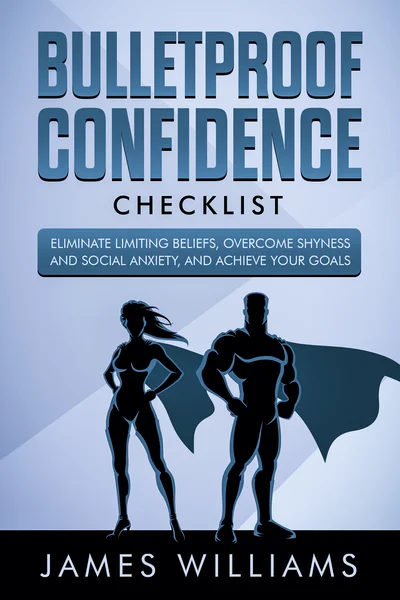
The results don’t show up as fireworks. They show up as slight shifts. You stop rehearsing your exit strategy before you even say hello. You stop checking your phone mid-sentence. You stop wondering if they secretly hate you. You just talk. The words come out a little slower. The pauses feel a little less heavy. You notice the other person’s shoulders relax. You notice your own breathing matches theirs. It’s not magic. It’s just practice wearing a different name. If you want the full breakdown of how these pieces fit together, the book covers the exact step-by-step framework I use to strip away the noise and focus on what actually moves the conversation forward. It’s not a manifesto. It’s a manual. You keep it in your glove compartment. You pull it out when you forget how to start the engine.
The cashier scans your items. You don’t rush out. You say one real sentence about the rain. You wait for the response. You watch their shoulders drop. That’s it. You don’t need to save the conversation. You just need to keep it breathing.
Frequently Asked Questions
How can I talk to anyone about anything without feeling awkward?
You can talk to anyone about anything by shifting your focus from impressing them to genuinely connecting with them. Drop the need for a perfect outcome, ask open-ended questions, and listen actively to keep the conversation flowing naturally.
What are indirect openers and why do they work better?
Indirect openers are casual, low-pressure conversation starters that don’t immediately put the spotlight on the other person. They work better because they reduce social friction and make it easier for both of you to ease into a genuine exchange without feeling interrogated.
How do you drop outcome pressure when starting conversations?
Dropping outcome pressure means letting go of the need to secure a specific result, like a phone number or new friendship. When you approach interactions with curiosity instead of expectations, your body language relaxes and the conversation becomes much more authentic.
Is it really possible to talk to anyone about anything without faking it?
Yes, you can talk to anyone about anything authentically by treating every stranger like a potential friend you just haven’t met yet. Focus on shared human experiences, stay present in the moment, and let your natural curiosity guide the dialogue.